
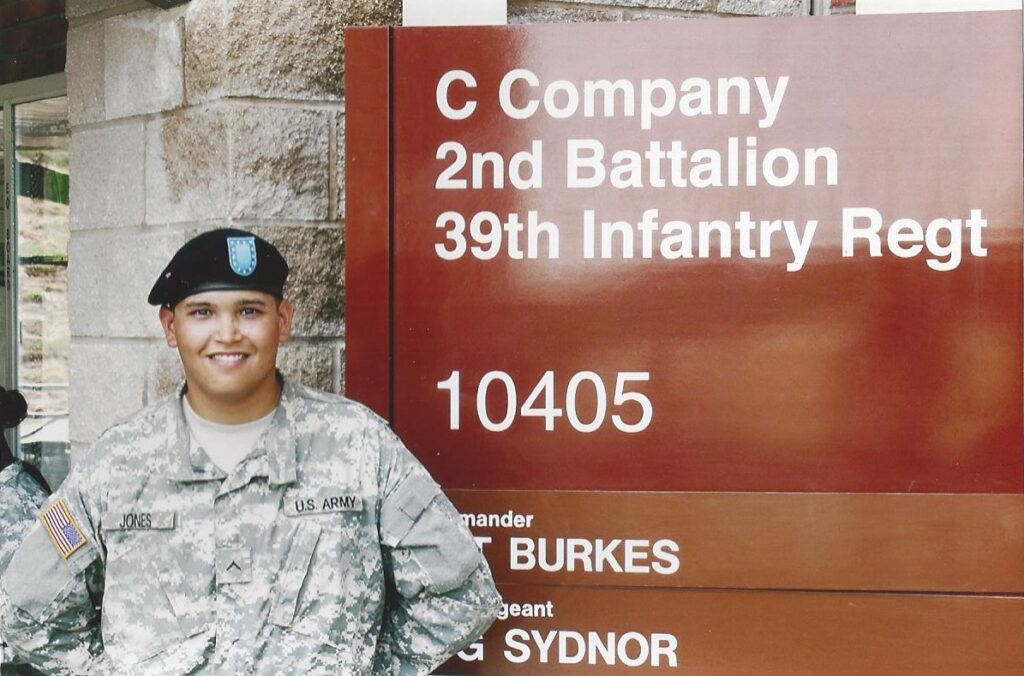
Long Before Jacob’s Hope, There Was Jake
In September of 1988, Jo and Brian Jones welcomed their three-day-old son, Jacob Robert Jones, into their family through adoption. Jake had been exposed to illicit substances throughout pregnancy, but at the time, there was little information available about substance-exposed newborns or what that exposure could mean as a child grew. Jo and Brian were given little guidance beyond watching his developmental milestones and were told that as long as he continued to meet them, he would be fine.
But Jake didn’t just meet his milestones. He exceeded them. He walked early. He talked early. By all the measures Jo and Brian had been told to watch, Jake was thriving. But as Jake grew, his story would teach them that milestones were only one piece of a much bigger picture.
More Than Milestones
Jake continued to excel in many areas of his life. He was incredibly bright, did well in school, played varsity tennis, and had many interests and hobbies. As a young man, he joined the United States Army and proudly served two tours in Iraq.
Jake was also loving, kind, and gentle, but throughout his life he struggled at times to regulate overwhelming emotions. His family remembers watching those emotions build until they sometimes erupted in explosive outbursts. At the time, they did not have the information or understanding about prenatal substance exposure that families and healthcare providers have today.
Jake lived a full life that could never be defined by the circumstances of his birth. But the effects of prenatal substance exposure were woven through parts of his story in ways his family would come to understand more fully years later.
Tragically, Jake passed away on September 7, 2014, just two days before his 26th birthday.
What We Know Now
Today, we understand much more about the developing nervous system and the importance of co-regulation. Newborns are not able to regulate their stress responses independently. They rely on responsive caregivers to help them settle and return to a regulated state. For substance-exposed newborns, whose nervous systems may be especially sensitive to stimulation, that support can be even more important.
That knowledge changes the way we care for babies.
Turning What We Know Into Care
In the years following Jake’s death, Jo needed somewhere to rest her grief. After reading Barbara Drennen’s Caring for Exposed Infants, she and her best friend and cofounder, Leslie Blowers, began what would become a seven-year journey to bring Jacob’s Hope to life. With the support of family, friends, and the community, Jacob’s Hope was built from the ground up, opening in 2019 as the first program of its kind in Arizona.
Jacob’s Hope was created to give substance-exposed newborns and their families something Jo and Brian did not have in 1988: specialized care, practical tools, and people who understand what these babies may need.
At Jacob’s Hope, the environment itself is part of that care. Our home-like nursery is intentionally calm and low stimulation, with dim lighting, quiet voices, and care activities grouped together when possible to reduce unnecessary interruptions. Rather than asking a sensitive nervous system to continually adapt to its surroundings, we adapt the surroundings to the baby.
Our nurses use slow, rhythmic movement (like vertical rocking) and other soothing techniques based on each baby’s cues. Babies are often swaddled snugly, with their hands positioned near their face or chin where they can use them for self-soothing. Even during activities such as bathing, staff are mindful that light touch and changes in temperature or sensation can be overwhelming for a baby experiencing withdrawal.
Most importantly, whenever possible, mom or the caregiver is part of the medicine.
Mothers and caregivers at Jacob’s Hope room in with their babies, creating opportunities for co-regulation to happen naturally through holding, skin-to-skin contact, feeding, soothing, and simply being present. At the same time, our nurses teach caregivers how to recognize their baby’s cues and respond with techniques they can continue using long after they leave Jacob’s Hope.
This is the heart of the Eat, Sleep, and Console approach used at Jacob’s Hope. We begin with the baby, the caregiver, and the environment, using nonpharmacologic interventions as the foundation of care and medication when clinically necessary.


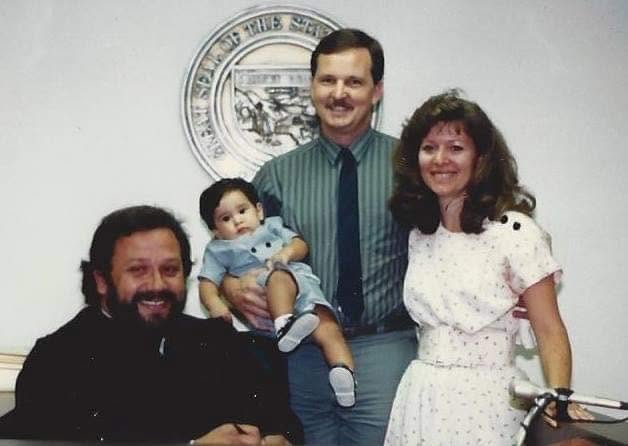
Jake’s Legacy
Jo often wishes the information, techniques, and support available to families today had been available when Jake was born. She cannot change the beginning of Jake’s story, but through Jacob’s Hope, his story has helped change the beginning for other babies and families.
Every September, we celebrate the life behind our name through Jake’s Legacy Birthday Fundraiser. In honor of what would be Jake’s 38th birthday, our goal this year is to raise $10,000 to help ensure that babies and families have access to the specialized care and support that Jake and the Jones family did not have in 1988.